
How to Pick a Vaginal Lubricant or Moisturizer
February 18, 2026 by Merissa Prine
Most women use a vaginal lubricant at some point in their lives, with many turning to them in order to reduce discomfort and to enhance sexual pleasure and/or satisfaction. In the United States, over 65% of women report having used a lubricant, and about 1 in 5 have used one in the past 30 days.
Despite how common this is, many healthcare providers don’t talk openly about lubricants with their patients. This can make it harder for people to know not only when they might benefit from using lube, but also how to one that’s right for their unique body and needs. In this post, we’re highlighting key takeaways from a recent research article by a urogynecologist that explains the key differences between various products and outlines important considerations for choosing a lubricant.
Different Kinds of Lubricants
There are several different products that women may use to assist in providing more lubrication during sexual activity. These include the use of vaginal estrogen, vaginal moisturizers, and vaginal lubricants. So what’s the difference between them?
Vaginal estrogen works by altering the vaginal tissue on a cellular level, reducing vaginal dryness and irritation. Vaginal estrogen is typically taken twice weekly, or once every three months with an insertable ring.
Vaginal moisturizers are usually water-based and work by bringing moisture to the vaginal tissue. These products are applied regularly (every few days) to treat vaginal dryness and sexual pain.
Vaginal lubricants are somewhat different from the other options discussed here, given that they are typically only used at the time of sexual activity (partnered or solo). They provide short-term relief for vaginal dryness, reduce sexual pain, and may make sex more pleasurable, even for women who do not experience vaginal dryness.
Important Considerations for Choosing
Pennycuff (2026) explains a number of factors that women should consider before selecting a vaginal lubricant or moisturizer:
First, the average pH of the vagina is about 3.8 to 4.5, which means that water-based products should also be around this pH range to avoid any potential irritation and prevent bacterial growth.
These products sometimes contain additives like glycerol (glycerin), parabens, and other preservatives, which some people are sensitive to. Ingredients such as glycerin can potentially feed yeast and disrupt the vaginal microbiome. Also, certain preservatives have been associated with irritation and an increased risk of bacterial vaginosis and yeast infections for some users.
To preserve vaginal health, read product labels carefully, choose pH- and body-safe formulas that avoid known irritants, and consult a healthcare professional if you notice discomfort or signs of infection. For example, a product like Astroglide Pure & Simple is a water-based lube that’s pH-balanced to be vagina friendly.
Pennycuff (2026) also mentions research finding that certain lubricants may impact sperm motility, which may be a consideration for couples who are trying to conceive. However, it’s important to note that (1) lubricants are often only used near the vaginal opening and (2) sperm typically enter the vagina closer to the cervix, so any potential impact of lubricants (if any) is likely small.
On a side note, it’s important to be aware that not all lubricants are safe to use with condoms. Water‑based and silicone‑based lubricants are generally compatible with condoms, while oil‑based products can degrade condom materials, increasing the risk of breakage and reducing their effectiveness.
Benefits of Lubrication and Moisturizers
The benefits of lubricants and moisturizers are well-documented, with scientific articles and reviews highlighting their role in enhancing sexual pleasure, well-being, and satisfaction, as well as in reducing pain associated with dryness. A recent systematic review reported evidence that lubricant use was associated with improved sexual health outcomes.
What the research shows is that vaginal lubricants and moisturizers can play a valuable role in sexual health. Ultimately, choosing products that are pH‑balanced and free from irritating additives, and using them in a way that meets your individual needs, can help you make more informed decisions about what’s right for you.
If you have a sex question of your own, record a voicemail at speakpipe.com/sexandpsychology to have it answered on the blog or the podcast.
Want to learn more about Sex and Psychology? Click here for more from the blog or here to listen to the podcast. Follow Sex and Psychology on Facebook, Twitter (@JustinLehmiller), Bluesky, or Reddit to receive updates. You can also follow Dr. Lehmiller on YouTube and Instagram.
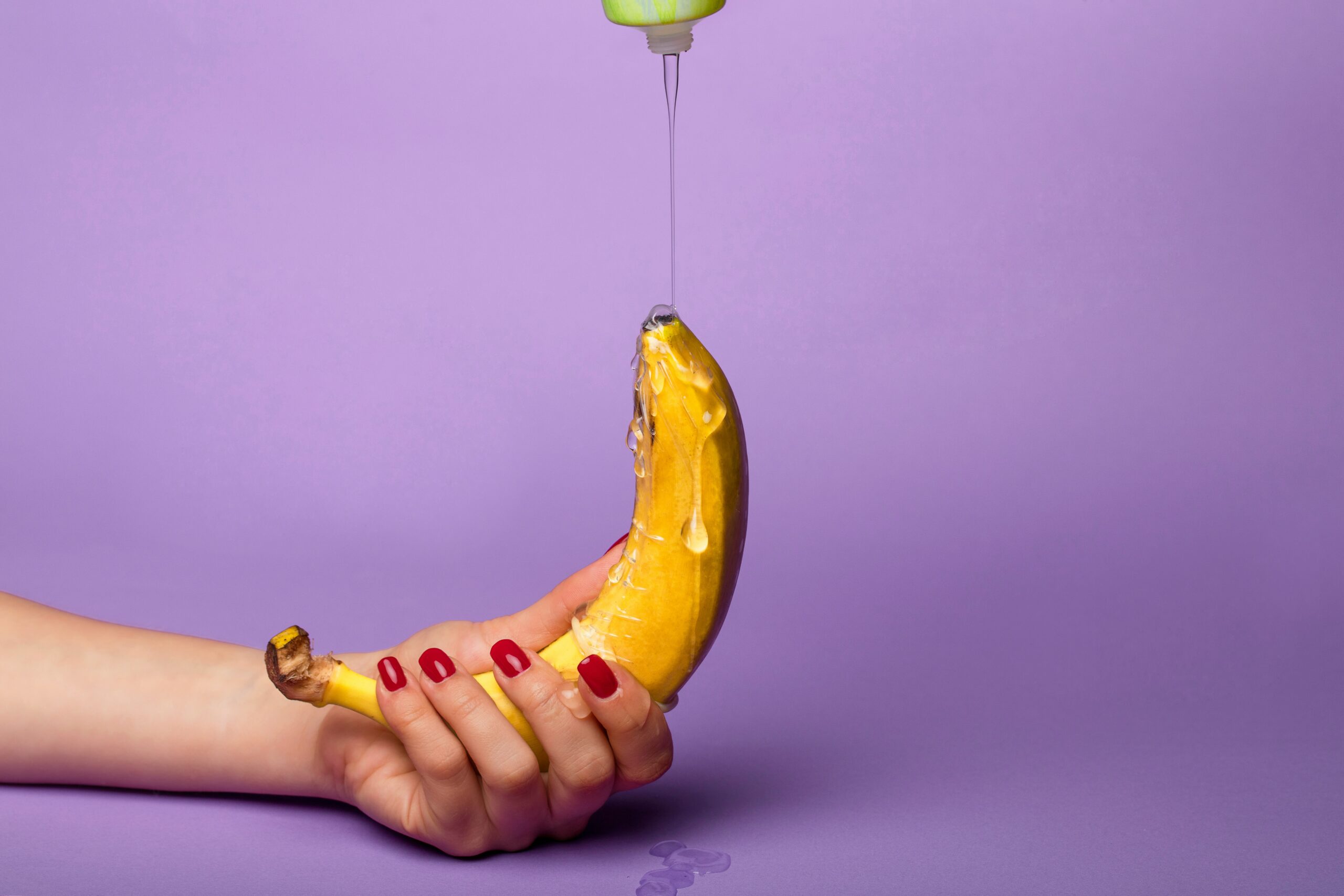
Photo by Deon Black on Unsplash
References:
[1] Pennycuff, J. F. (2026). The osmolality of sex—the science of vaginal moisturizers and lubricants. Journal of Minimally Invasive Gynecology, 33(1), 94–99. https://doi.org/10.1016/j.jmig.2025.05.016

Dr. Justin Lehmiller
Founder & Owner of Sex and PsychologyDr. Justin Lehmiller is a social psychologist and Research Fellow at The Kinsey Institute. He runs the Sex and Psychology blog and podcast and is author of the popular book Tell Me What You Want. Dr. Lehmiller is an award-winning educator, and a prolific researcher who has published more than 50 academic works.
Read full bio >